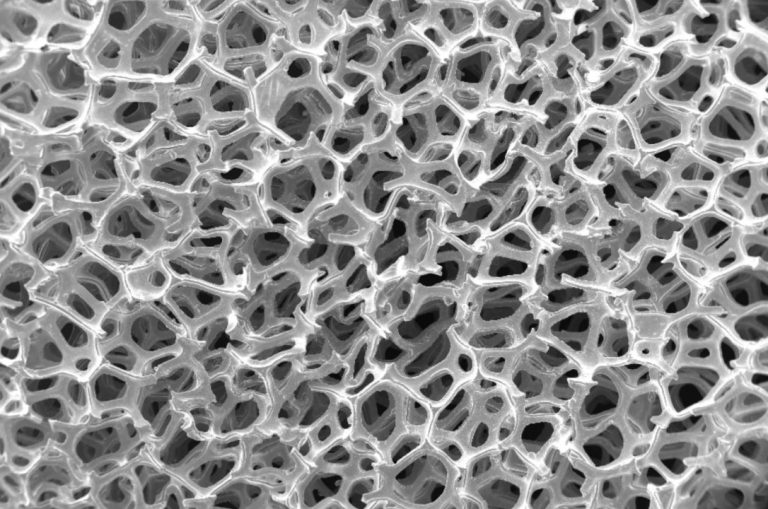


By finding a new use for nickel foam, a low-cost material commonly used in rechargeable batteries, Queen’s University researchers are advancing cleaner, lower-cost chemical production methods that could support more sustainable industrial processes across pharmaceuticals, agrochemicals, advanced materials and other high-value products.
The team tested new ways to use nickel foam in chemical reactions and found it can help turn nitroarenes into anilines – an important step in making many pharmaceuticals. Unlike traditional methods that often require high pressure, heat or specialized catalysts, this process works at room temperature using nickel foam and acidic ethanol, while targeting the right part of the molecule and leaving the rest unchanged.
By using an Earth-abundant material in a cleaner, more cost-effective process, this method could help make pharmaceutical and chemical manufacturing more efficient and susatainable while reducing reliance on more energy-intensive production methods.
For more information, visit Queen’s University.
Published on June 1, 2026.