
John Charles Polanyi Prizes 2025
John Charles Polanyi Prizes 2025
2025 Polanyi Prizes Honour Ontario University Researchers
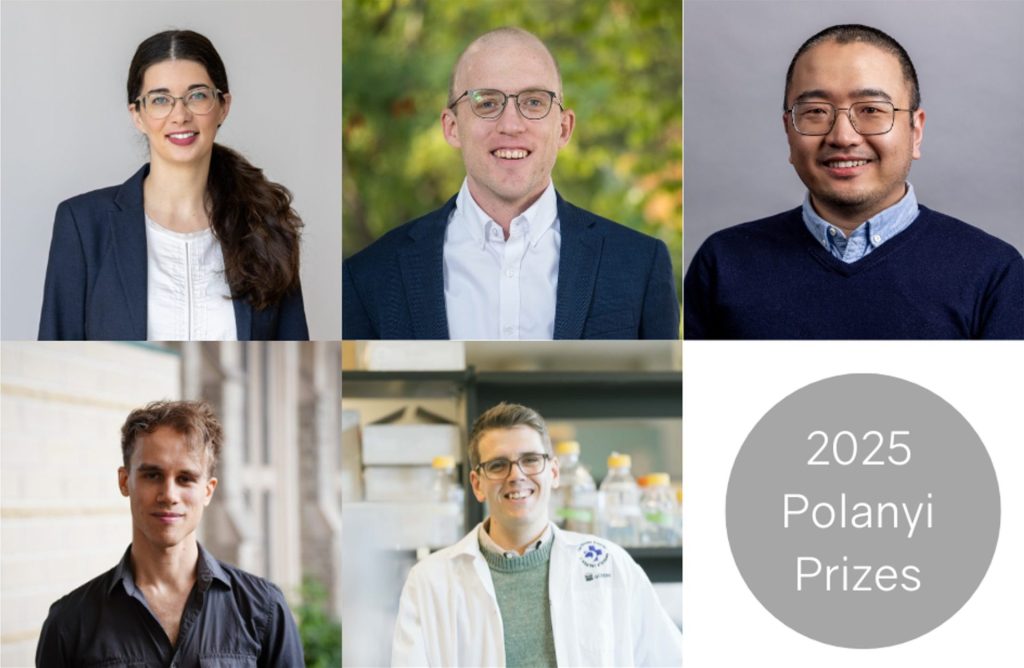
Celebrating breakthrough research across disciplines, the 2025 Polanyi Prizes have been awarded to five outstanding researchers whose work is transforming chemistry, economics, literature, and medicine.
From developing safer materials for defence and mining, to accelerating drug discovery, shaping evidence-based homelessness policy, uncovering new insights into Victorian intellectual history, and improving personalized care for ovarian cancer patients – this year’s recipients are tackling some of society’s most complex challenges and delivering real-world solutions.
“Ontario researchers are saving lives and building a brighter, more prosperous future for our province,” said Nolan Quinn, Minister of Colleges, Universities, Research Excellence and Security. “Congratulations to the 2025 winners of the John Charles Polanyi Prizes for their outstanding achievements that continue to cement our province as a world-class hub of research excellence.”
“Ontario university researchers are catalysts for growth, advancing discovery, strengthening industries, and shaping the innovations of the future,” said Steve Orsini, President and CEO of the Council of Ontario Universities. “This year’s Polanyi Prize winners exemplify the research excellence that fuels talent, economic opportunity, and real-world impact. Their work keeps Ontario competitive and positioned to lead in the global economy.”
The prestigious Polanyi Prizes are awarded annually to honour Ontario’s Nobel laureate, John C. Polanyi, who received the 1986 Nobel Prize in Chemistry for his groundbreaking research in chemical kinetics. These prizes recognize outstanding early-career researchers who are either engaged in postdoctoral work or have recently begun faculty positions. Each of the five recipients is awarded $20,000 for exceptional research in chemistry, literature, physics, economic science, or physiology/medicine.
Read the research summaries of the 2025 Polanyi Prize winners below.
*Please note that the Polanyi Prize process timelines for the 2026/27 round have changed. Click here for more information and to learn how the awards are administered.

Polanyi Prize in Chemistry
Dr. Katherine Marczenko, Carleton University
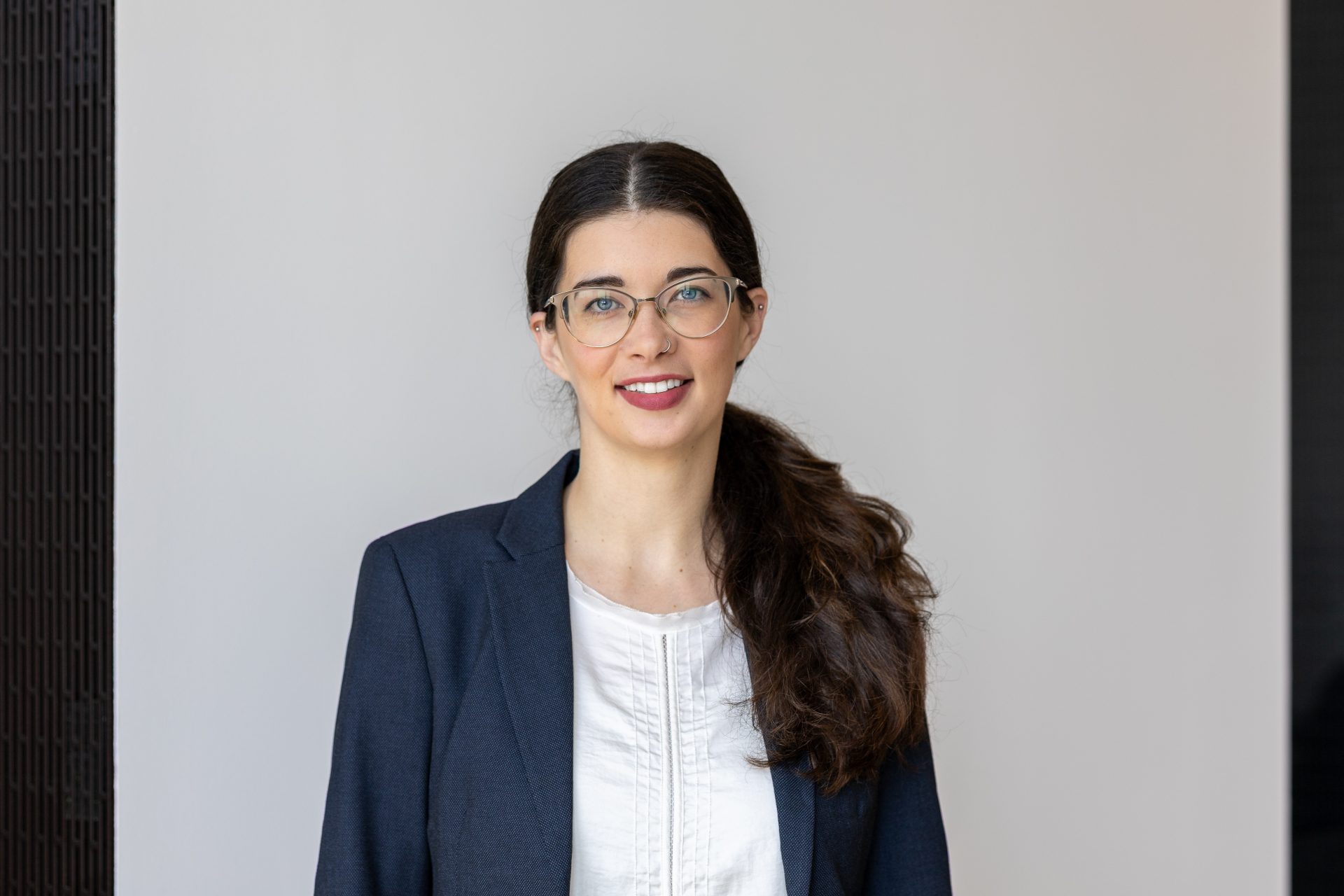

With a focus on creating safer, cleaner energetic materials that respond only when triggered by light, Dr. Katherine Marczenko’s research is advancing a new generation of high-precision compounds that could transform safety and sustainability across defence, aerospace, and industrial sectors.
Energetic materials – used in explosives, rocket fuel and mining – are essential to many industries, but traditional versions often rely on toxic metals that can harm people and the environment. Dr. Marczenko’s research addresses this challenge by creating metal-free photoresponsiveenergetic materials (PEMs), compounds engineered to remain stable until activated by specific wavelengths of light.
Using a structure–property approach and advanced crystal engineering, her team combines light-sensitive molecules with energetic components to form solid materials that only react when illuminated. This eliminates the need for toxic metals and greatly reduces the risk of accidental detonation during manufacturing, handling or transport. PEMs could reshape how energetic materials are produced and used – offering greater precision in activation, reduced environmental and health hazards, and improved safety throughout the energetic-materials supply chain.
Dr. Marczenko’s research paves the way for high-performance alternatives that deliver both power and stability, supporting safer, more controlled applications in defence, aerospace and critical industries while reducing toxic waste and operational risk.
Polanyi Prize in Chemistry
Dr. Fanwang Meng, Queen’s University
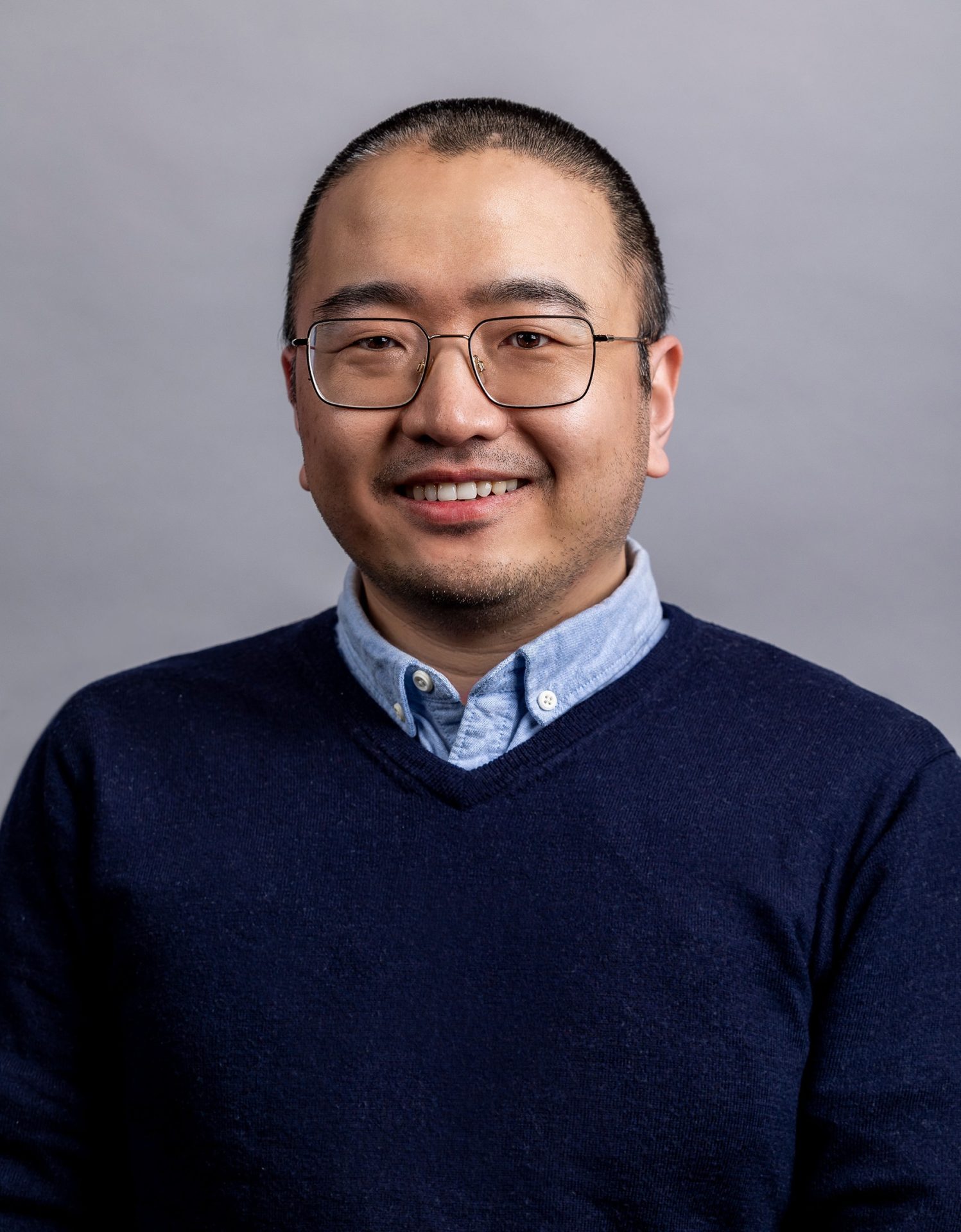

By using machine learning (ML) to make drug discovery faster, cheaper and more accurate, Dr. Fanwang Meng’s research is redefining how new medicines are identified – predicting potential problems earlier and uncovering promising treatments that might otherwise be missed.
Because many drug failures stem from undesired molecular property issues that only appear late in development, Dr. Meng is developing new ML models that can work effectively even when experimental data is limited or imperfect – a major barrier in biomedical research. Inspired by the success of recommender systems in Google, Netflix, and Amazon, his research integrates newly developed molecular features and recommender systems to pinpoint viable drug candidates more accurately. The research also tackles critical weaknesses in most existing ML models: data bias and lack of diversity. Through a new embedding-based approach, Dr. Meng is building algorithms that balance skewed datasets and validate performance using the highly biased blood-brain-barrier permeability dataset (B3DB) from his Ph.D. research.
Moreover, highlighting his contributions of developing over 25 open-source software tools and open datasets under the umbrella of QC-Devs International Software Consortium, he led the creation of the “Selector” Python package, to address data bias problems in data-driven modeling and machine learning applications. Discovering new medicines is a complex and expensive scientific challenge, with 93.7 per cent of drug candidates failing before reaching patients.
By improving how data is used throughout the process, Dr. Meng’s work could significantly speed up drug discovery by leveraging limited, noisy, and skewed experimental data. All models and datasets will be released as open-source tools, giving researchers worldwide access to cutting-edge computational methods. In the long term, his research aims to transform the drug discovery pipeline by helping deliver safer, more effective therapies to patients faster, while reducing the costs and risks of bringing new medicines to market.
Polanyi Prize in Economic Science
Dr. Jeffrey Hicks, University of Toronto
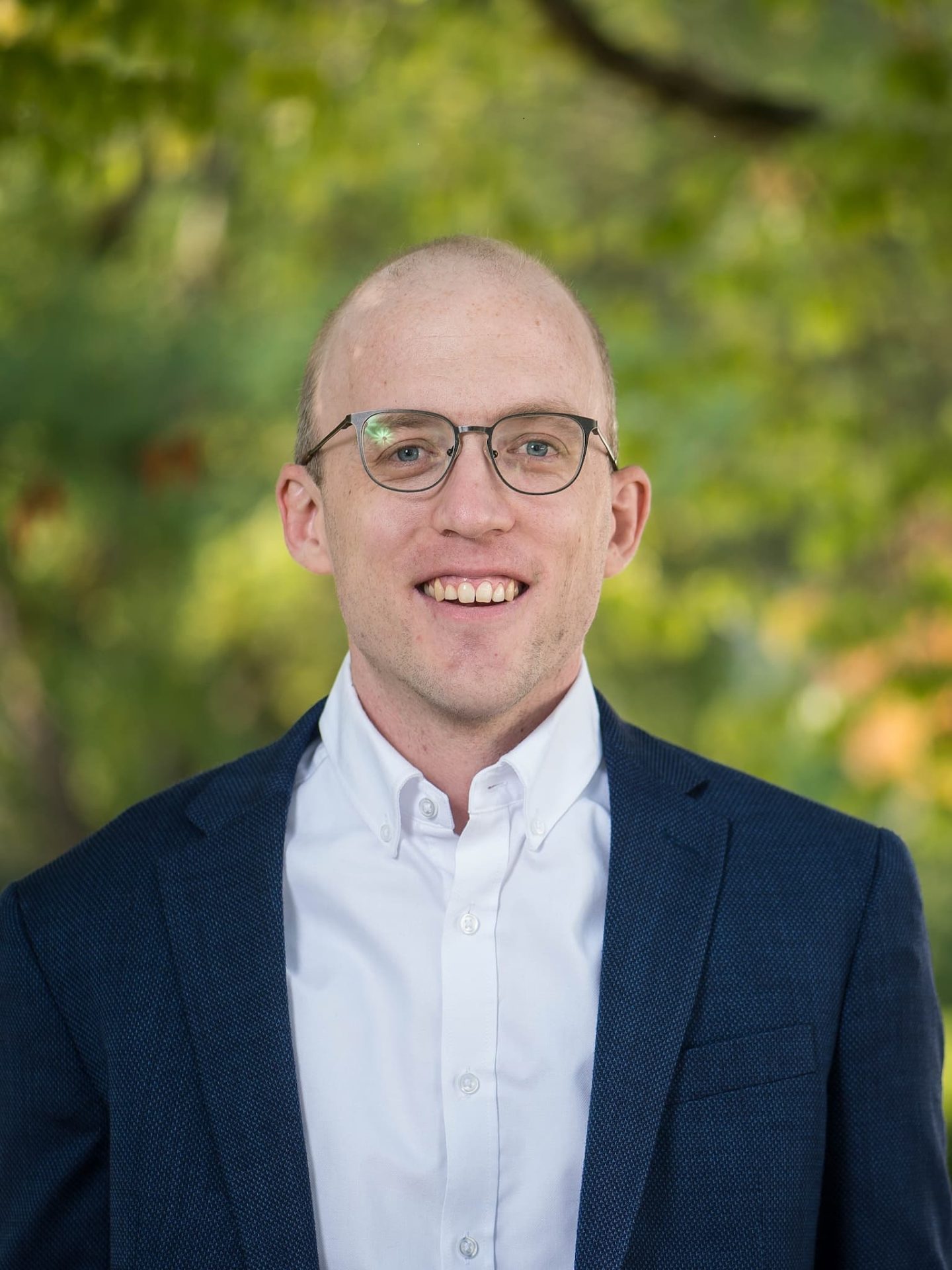

With homelessness affecting more than 235,000 Canadians each year, Dr. Jeffrey Hicks is generating the evidence needed to transform how Canada understands and addresses homelessness – research that could help governments design more effective policies to prevent housing loss and improve long-term stability.
Dr. Hicks’ research brings together one of the most comprehensive datasets on homelessness in Canada, linking housing and shelter records with information on health care, social services, foster care, justice and employment. In partnership with the government of British Columbia, this dataset is being used to investigate three core questions:
- What life events most often precede homelessness, and which early risk factors signal rising vulnerability?
- What are the impacts of housing insecurity, such as the effects of eviction on children’s education or the health consequences for adults experiencing homelessness for the first time?
- How effective are current prevention and outreach programs, including rental supports, discharge planning, and supportive housing, in improving outcomes and reducing pressure on public services?
The findings will equip policymakers with new tools to design stronger homelessness-prevention and housing-stability strategies. By identifying early risk factors, mapping the social and economic impacts of homelessness, and evaluating the effectiveness of existing supports, this work will help strengthen public policy. Ultimately, Dr. Hicks’ research aims to support national efforts to reduce homelessness, improve well-being, and build more resilient communities.
Polanyi Prize in Physiology/Medicine
Dr. David Cook, University of Ottawa
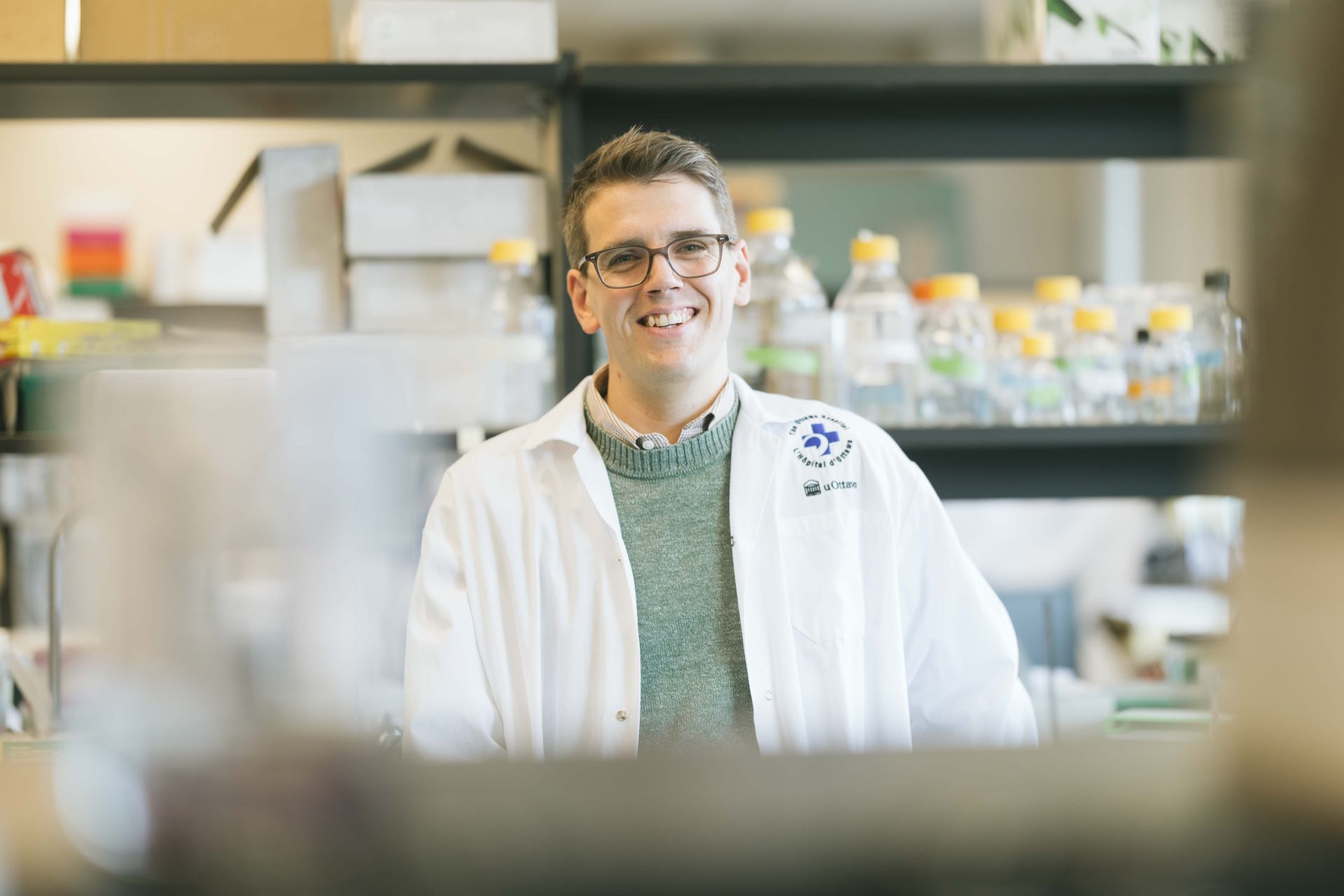

Gynecologic diseases like ovarian cancer and endometriosis cause tremendous suffering, yet both remain poorly understood and difficult to treat. Dr. David Cook’s research aims to change this by decoding the fundamental biology of these conditions to design more precise approaches for prevention, detection, and treatment.
A central focus is understanding why ovarian cancer so often returns after initially successful treatment. His team examines how cancer cells shift between biological states during therapy—transitions that help them survive, spread, and recur. Interrupting these shifts could prevent cancers from evolving into harder-to-treat forms.
This work extends to rare subtypes like low-grade serous carcinoma, which disproportionately affects younger women and responds poorly to chemotherapy. Endometriosis poses related challenges: affecting 1 in 10 women and significantly increasing ovarian cancer risk, it represents a critical opportunity for early intervention. His team is working to identify which cases are likely to progress and to develop more effective treatments—both to improve quality of life and to prevent transformation into cancer.
Using single-cell analysis, advanced microscopy, and patient-derived disease models, the research team tracks how cells behave and interact within diseased tissue. By combining experimental and computational methods, this work is revealing mechanisms that drive disease progression. The insights gained will support new approaches to anticipate and prevent treatment resistance, detect disease earlier, and ultimately improve outcomes for women living with gynecologic conditions.
Polanyi Prize in Literature
Dr. Andrew Sargent, Huron University
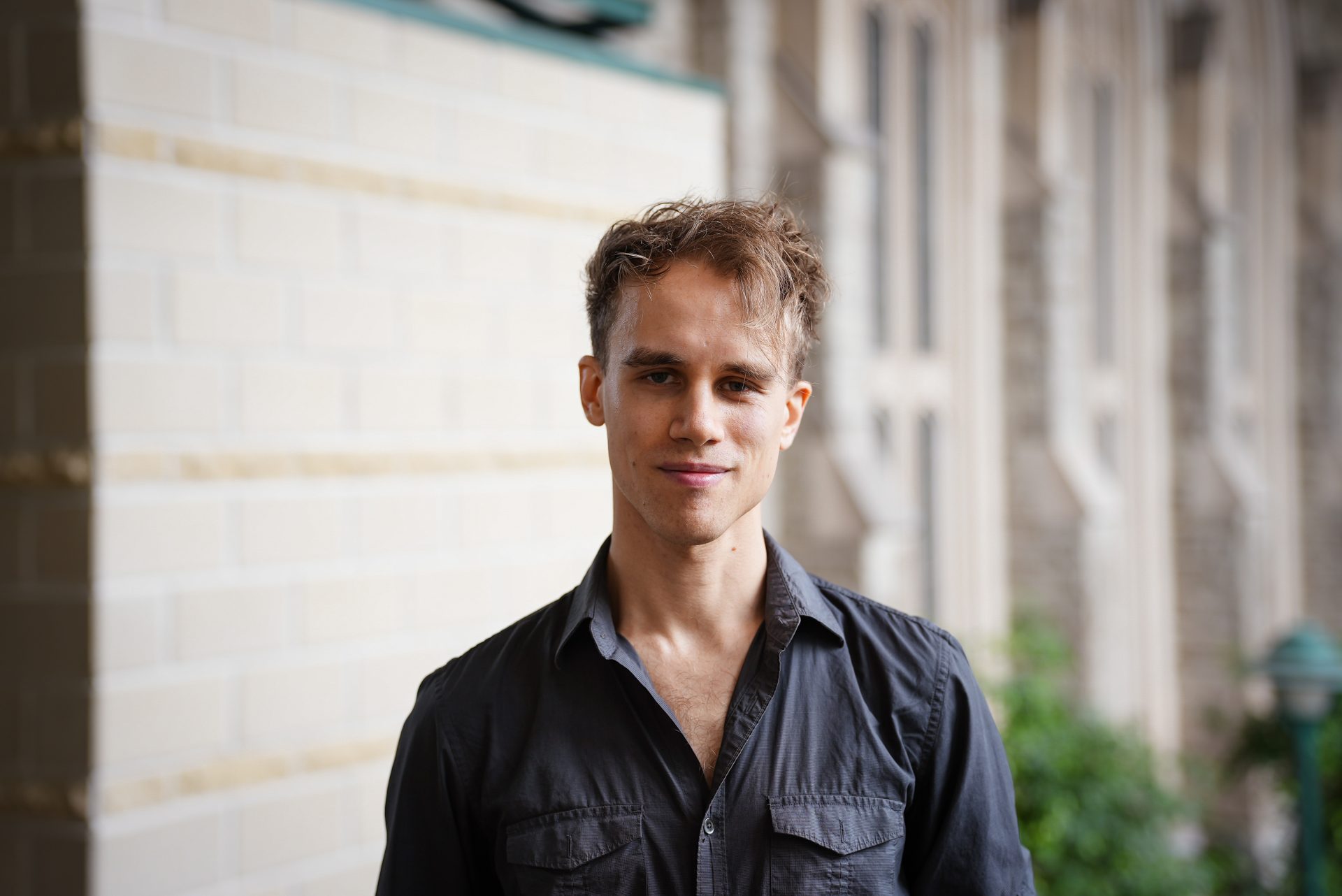
A deeper understanding of how societies imagine crisis, resilience, and the future is emerging from Dr. Andrew Sargent’s research that reinterprets the shift from Romantic to Victorian literature – revealing that nineteenth-century writers were far more preoccupied with catastrophe and irreversible change than traditionally believed.
This work examines how early Victorian poets such as Arnold, Tennyson, Browning, and Beddoes repeated yet resisted the anxieties of their Romantic predecessors. Through close readings of poetry from 1830 to 1852, Dr. Sargent identifies a pattern called Romantic citation, where poets carried forward yet disavowed the Romantic idea that history and the future were already shaped by disaster.
Archival research and literary analysis show how these poets grappled with themes of extinction, revolution and environmental change, even while cleaving to ideas ofprogress, empire and social reform. Texts like Empedocles on Etna, Sordello, and Morte D’Arthur reveal how this tension defined the transition from Romanticism to Victorianism. By uncovering this forgotten post-Romantic moment in British literature, the research reshapes our understanding of how the Victorians imagined history, progress and loss.
It shows that even in an era marked by confidence and expansion, writers maintained a keen awareness of irreversible transformation – a dual mindset that continues to shape how we think about crisis and resilience today. In doing so, Dr. Sargent’s work offers new insight into the emotional and cultural history that links nineteenth century literature to the modern world.
Additional Resources:
For more information about how the awards are administered, click the link below.